Kudzu Flower Extract in Memo Volt
An isoflavone-bearing flower extract; nearly all human research used the root instead.
Almost all the human research is on kudzu root. This is the flower, and they are not interchangeable.
What it is
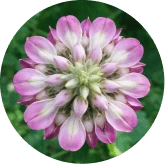
Kudzu is a vine whose root has a long history in traditional Chinese medicine and a modern research literature. The flower contains a different isoflavone profile from the root, with tectorigenin and kakkalide more prominent than the puerarin that dominates root research.
What the research shows
Human research on kudzu root exists, most notably small trials on alcohol consumption and some work on menopausal symptoms and metabolic markers. Research on kudzu flower is largely preclinical and centres on liver protection and lipid metabolism in animal models. Treating root evidence as support for a flower ingredient is not sound, and no cognitive outcome has been measured for either part.
Limitations
No established human dose for the flower extract, no cognitive research, and a research base that does not transfer from the part that was studied.
Dose in Memo Volt: undisclosed. Human research uses Not established for the flower. Because the label is a proprietary blend, there is no way to know whether the capsule contains that amount, a fraction of it, or a trace. This applies to every ingredient in the product and is explained in full on our evidence page.
Safety and interactions
Isoflavones have weak oestrogenic activity, which is worth mentioning to a doctor if you have a hormone-sensitive condition or take hormone therapy. Otherwise generally well tolerated.
Our verdict
The least justifiable inclusion on the label. It adds a name to the ingredient list rather than evidence to the formula.
Sources
- NIH Office of Dietary Supplements — ingredient fact sheets
- MedlinePlus — herb and supplement monographs