Corosolic Acid in Memo Volt
A banaba-leaf compound studied at 10-48mg a day for post-meal glucose control.
One of the few ingredients whose studied dose a capsule could actually contain.
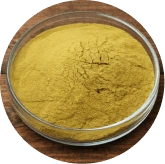
What it is
Corosolic acid is a pentacyclic triterpenoid found in banaba leaf, traditionally used in the Philippines for blood sugar. It appears to increase glucose uptake into cells, sometimes described as insulin-like activity.
What the research shows
Several small human trials, typically twenty to sixty participants, have tested corosolic acid at 10 to 48mg daily and reported reductions in post-meal glucose over periods of two weeks to three months. The effects are modest and the trials are small, but unlike most of this label the dose range is at least achievable in a capsule. No cognitive outcomes have been measured.
Limitations
Small trials, several with industry funding, and no replication at scale. The cognitive link is the same indirect glucose argument that applies to the whole blood-sugar group and operates over years.
Dose in Memo Volt: undisclosed. Human research uses 10–48mg/day. Because the label is a proprietary blend, there is no way to know whether the capsule contains that amount, a fraction of it, or a trace. This applies to every ingredient in the product and is explained in full on our evidence page.
Safety and interactions
Adds to the glucose-lowering effect of berberine, cinnamon and any diabetes medication you take. That cumulative effect, rather than any single ingredient, is the practical hypoglycaemia concern in this formula.
Our verdict
Plausible, modestly evidenced, correctly dosable, and aimed at metabolism rather than memory.
Sources
- NIH Office of Dietary Supplements — ingredient fact sheets
- MedlinePlus — herb and supplement monographs